
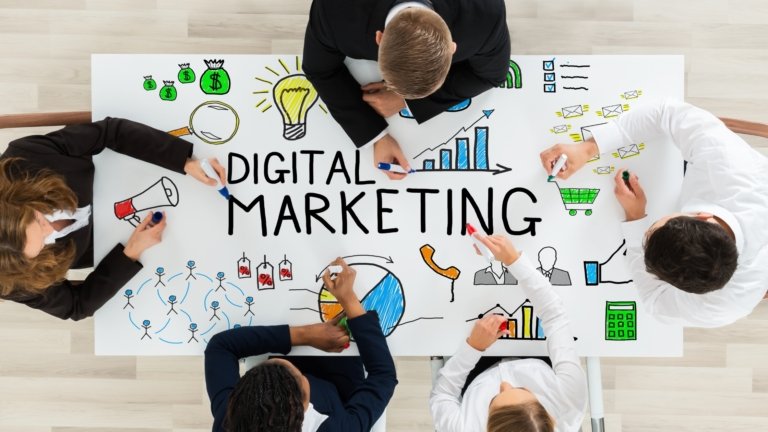
In today’s fast-paced, technology-driven world, digital marketing has emerged as a cornerstone for businesses looking to thrive and grow. With more than 5 billion people using the internet globally, the digital landscape offers unprecedented opportunities for brands to connect with their audiences, drive sales, and build lasting relationships. But what exactly is digital marketing, and why is it so crucial?
What is Digital Marketing?
Digital marketing encompasses all marketing efforts that leverage online platforms and digital channels to promote products or services. From social media campaigns to email newsletters and search engine optimization (SEO), digital marketing provides businesses with measurable, data-driven insights and tools to reach their target audience effectively.

Why Digital Marketing is Essential
Gone are the days when traditional marketing methods like billboards and TV ads reigned supreme. While these methods still hold value, they often lack the precision and scalability offered by digital marketing. Here are some compelling reasons why digital marketing is a must-have for businesses today:
- Global Reach: Digital marketing enables businesses to transcend geographical boundaries, making it easier to connect with a global audience.
- Cost-Effectiveness: Compared to traditional advertising, digital marketing campaigns can be tailored to fit any budget, ensuring small businesses and startups can compete with larger companies.
- Measurable Results: Advanced analytics tools provide real-time insights into campaign performance, allowing marketers to optimize their strategies for maximum impact.
- Targeted Audience Engagement: Techniques like personalized emails and targeted ads ensure that businesses connect with the right audience at the right time.
Key Components of Digital Marketing
1. Search Engine Optimization (SEO)
SEO is the process of optimizing a website to rank higher on search engine results pages (SERPs). This involves keyword research, on-page optimization, link building, and creating high-quality content. Effective SEO drives organic traffic to a website, which can result in higher conversion rates and improved brand credibility.
2. Pay-Per-Click (PPC) Advertising
PPC advertising, such as Google Ads, involves paying for ad placements in search engine results or on social media platforms. It’s a cost-effective way to reach a highly targeted audience and generate leads quickly.
3. Social Media Marketing
Platforms like Facebook, Instagram, LinkedIn, and TikTok provide powerful tools for engaging with audiences and building brand awareness. With billions of active users, social media is essential for creating meaningful customer interactions and driving traffic to your website.
4. Content Marketing
Content marketing focuses on creating valuable, relevant, and consistent content to attract and retain a clearly defined audience. Blogs, videos, infographics, and eBooks are popular formats that help educate and inform potential customers.
5. Email Marketing
Despite being one of the oldest forms of digital communication, email marketing remains highly effective. Personalized email campaigns nurture leads, drive sales, and keep customers informed about new products or services.
6. Influencer Marketing
Partnering with influencers allows brands to tap into established audiences. Influencers can promote products authentically, building trust and driving engagement.
7. Analytics and Data Tracking
Understanding the performance of your digital marketing efforts is crucial. Tools like Google Analytics and social media insights help businesses measure key performance indicators (KPIs) and refine their strategies.
Benefits of Digital Marketing
1. Improved Customer Interaction
Digital marketing provides a two-way communication channel, allowing businesses to engage with customers through comments, messages, and reviews.
2. Higher ROI
With precise targeting and real-time analytics, businesses can achieve a higher return on investment (ROI) compared to traditional marketing methods.
3. Enhanced Brand Awareness
Regular online engagement increases brand visibility, helping businesses stay top-of-mind for potential customers.
4. Flexibility and Adaptability
Digital campaigns can be adjusted on the fly to respond to market trends, ensuring businesses remain competitive and relevant.
Challenges in Digital Marketing
While digital marketing offers numerous advantages, it’s not without its challenges:
- Staying Updated: The digital landscape evolves rapidly, requiring marketers to keep up with trends and algorithm changes.
- High Competition: With more businesses investing in digital marketing, standing out requires creativity and innovation.
- Data Privacy Concerns: Striking a balance between personalization and data privacy is critical to maintaining customer trust.
- Overwhelming Choices: With so many tools and platforms available, businesses may struggle to identify the right strategies for their needs.
Tips for a Successful Digital Marketing Strategy
1. Know Your Audience
Understanding your target audience is the foundation of any successful digital marketing strategy. Use customer personas, surveys, and analytics to identify their needs, preferences, and online behavior.
2. Create High-Quality Content
Content is king in the digital world. Invest in creating valuable and engaging content that resonates with your audience and aligns with your brand’s voice.
3. Utilize Multiple Channels
Diversify your digital marketing efforts across various platforms to maximize reach and impact. For example, combine social media campaigns with email newsletters and blog posts.
4. Leverage Automation
Marketing automation tools can save time and improve efficiency. From email marketing to social media scheduling, automation streamlines repetitive tasks and enhances campaign performance.
5. Test and Optimize
A/B testing is essential for identifying what works and what doesn’t. Regularly review and refine your campaigns to achieve better results.
The Future of Digital Marketing
As technology continues to evolve, so too will the possibilities within digital marketing. Emerging trends like artificial intelligence (AI), voice search optimization, and immersive experiences using augmented reality (AR) and virtual reality (VR) are set to transform the way businesses interact with their audiences.
Moreover, the growing emphasis on sustainability and corporate responsibility means that businesses must adopt ethical and transparent marketing practices to build trust with consumers.
Conclusion
Digital marketing is no longer optional; it’s a necessity for businesses aiming to thrive in the digital age. By leveraging the power of SEO, social media, content marketing, and analytics, companies can unlock new growth opportunities and create meaningful connections with their audience.
Whether you’re a small startup or an established enterprise, embracing digital marketing will empower you to navigate the competitive landscape and achieve long-term success. Start building your digital presence today and watch your business reach new heights!


Whether you’re a small startup or an established enterprise, embracing digital marketing will empower you to navigate the competitive landscape and achieve long-term success. Start building your digital presence today and watch your business reach new heights!
Whether you’re a small startup or an established enterprise, embracing digital marketing will empower you to navigate the competitive landscape and achieve long-term success. Start building your digital presence today and watch your business reach new heights!