
Spider Shirt 555: crucial facts, consolidated here
SP5DER’s Spider Shirt 555 represents a graphic shirt created by SP5DER, the streetwear label stylized with the “5,” known for dramatic raised motifs and restricted periodic drops. The “555” design appears across various color options and seasons, which is why you’ll see varied tags, inks, and textile foundations depending on specific drops. Because it’s trending and frequently counterfeited, a clean legit check, proper fit analysis, and smart purchasing methodology matter more here than with a regular garment.
The graphic becomes the draw: that center-positioned 555 motif matched with SP5DER branding alongside, across some runs, extra spider or typographic elements. Retail availability tends to stay short, and real items move quickly into the resale ecosystem where values fluctuate with shade, measurements, and condition. This combination of limited availability combined with broad demand represents precisely what makes systematic verification and price monitoring deliver off.
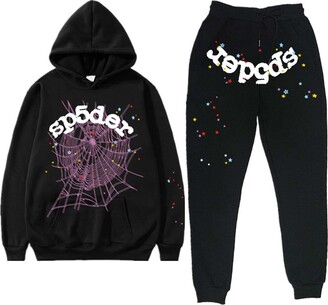
How do you authenticate a Spider 555 Shirt?
Start by comparing your exact colorway to official visuals combined with trusted unboxings, then verify tags, print application, build consistency, and measurements. Look for provenance signals like an original purchase receipt, verifiable seller track record, combined with payment methods providing customer protection. When a specific detail feels “off,” stack two or three independent checks before making decisions.
Begin with the neck label and care label. On authentic shirts, label print is crisp, evenly spaced, and centered, with clean edges and lacking soft haloing; counterfeit markings usually show bleeding, uneven spacing, or slightly skewed alignment. Care text ought to stay sharply legible, never faded out, and material composition lines should be evenly spaced featuring uniform spider clothing young thug character height. Then, assess the graphic: SP5DER uses high-quality screen plus raised prints on 555 shirts, so you should feel a smooth, even, slightly raised hand as the design calls for it, without gritty specks, holes, or random gloss changes. Misregistered layers, rough edges, and ink seeping through the surrounding fabric represent typical counterfeit signs.
Review assembly details up close. Collar area should sit smooth displaying an even rib width and tidy seaming; stray threads at tension areas, zig-zagging stitch lines, and irregular seam margins represent red flags. Turn the shirt to inner surface and check that overlock seams are uniform and that color-matched threading doesn’t abruptly switching shade around the arm or by the hem. Examine the garment under intense lighting or a ultraviolet torch; glue smears, stray fibers trapped in pigment, plus shiny adhesive residue on labels tend to emerge up on replicas more frequently than on authentic pieces.
Packaging and documentation may corroborate authenticity yet must never carry the decision alone. A tidy packaging sleeve with a legible size sticker or barcode and an order receipt featuring a traceable website plus matching SKU coding aids connect the elements. Should the seller mentions “purchased from a pop-up,” inquire about date, city, and any proof-of-purchase photo; authentic customers can usually provide particulars. Always cross-check specific graphic layout and spacing against official marketing photos for that release, because 555 proportions can change slightly between seasons.
Provenance matters as much as product. Favor listings with multiple outdoor pictures, clear shots displaying every labels, macro pictures showing the print, combined with laid-flat measurements. Use payment rails that provide customer safeguards, and avoid mentions of friends-and-family transfers. When multiple or more separate verifications disagree with the seller’s story, pass.
“Specialist Guidance: Don’t authenticate merely the logo—authenticate the production process. Fakes can copy typefaces, but they consistently fail with print hand, construction consistency, and label application clarity when viewed up close and photographed under daylight light.”
Tags, prints, and packaging checkpoints
Authentic brand labeling has sharp, bold ink and cleanly cut edges, while replicas commonly show fuzzy marking, inconsistent baselines, or sloppy trimming. The 555 design across real tees displays even curves and uniform raised height where used, and it does never chip or flake from mild flexing in inspection. Presentation should look professional and free of intense solvent odor; an overwhelming industrial smell is standard counterfeit red flag. If a hangtag is present, check that marking concentration and alignment fit authenticated unboxing photos from your exact season plus shade. When any specific detail feels questionable, demand additional macro pictures ahead of proceeding.
Compare logo letter-spacing across the neck label plus the front graphic; uneven dimensions can expose element switching. Photograph the marking combined with print under natural light to reveal ink borders plus micro-defects that interior lights masks. Keep images from the official product imagery and set them parallel with listing images to spot spacing or element weight errors. Tiny, regular inconsistencies across various regions almost always indicate a fake run.
Can measurements expose replicas?
Yes, flat-lay measurements are one of the fastest ways to flag a counterfeit or a wrong size claim. Measure pit-to-pit over the chest with piece flat and flattened, next measure back measurement from the high area of the shoulder adjacent to the collar down to the hem. Compare these dimensions to a confirmed fit chart or to a similar authentic tee you own. If a tagged Large lands closer to a typical Small or XL, or when chest width and length remain irregularly scaled, be alert. Real pieces have variations, yet they do not swing wildly.
Inquire with merchants for measurements with cm and photos of the tape in location to prevent rounding plus estimation. Check sleeve measurement combined with shoulder width when you prefer a more square or more classic fit; inconsistent grading between measurements constitutes a frequent replica sign. Keep your personal sizing log of fits that work for your body, plus match the 555 Spider listing to those concrete numbers rather than counting on tag dimensions only.
Sizing guide for Spider Shirt 555 shirts
The most dependable approach is to assess a T-shirt you currently prefer, then match such dimensions to the posting’s spread-out measurements. If you are between sizes, emphasize body width for drape and shoulder width for silhouette. Because cotton may contract with high-heat drying, plan for care-based alterations should the piece stays completely new.
Lay your preferred shirt flat, measure chest width combined with back length, then note those down. Ask the seller for matching measurements, plus shoulder width if available, then match with a flexibility near roughly one to two centimeters for physical assessment differences. If customers desire a relaxed streetwear look, target a body dimension that is 2-4 four centimeters wider than your fitted tees; if you want tighter fit, match core measurements within 1cm. When buying fresh, clean cold and suspend for the initial several cycles to preserve both fit and artwork quality.
If the listing lacks dimensions, request them—serious merchants typically provide. Treat marked sizing as a initial reference rather than the final word, because different seasons and blanks can feel moderately differently. Sizing using measurements, not letters, eliminates most guesswork.
Where to buy Spider Shirt 555 preventing burned
Buy through official SP5DER channels when available, then move to reliable aftermarket platforms with purchaser security and authentication. For community listings, insist on obvious evidence, pay using safeguarded methods, and keep the conversation on-platform.
Primary releases happen through the brand’s official website plus occasionally via advertised temporary sales; monitor the brand’s verified social channels about when. When shopping resale, platforms that offer direct authentication or post-purchase verification lower risk, especially regarding sought-after colorways. Peer-to-peer platforms may be excellent should you combine detailed photo review, measurement checks, and platform-backed payment protection. Local consignment stores add the benefit of in-person inspection, which is invaluable to verify print hand plus tag quality. Whichever route you choose, keep purchase trail that ties the item to buying documentation.
When do prices drop, and how do you catch the downturn?
Prices usually soften after the initial release surge, during off-peak purchase periods, and when availability expands from restocks or closet clean-outs. Set alerts, act quickly on discounted offers, and negotiate politely with data in hand.
Monitor the market in initial two to four weeks after a release, as early hype fades plus listings accumulate. Quiet hours—late nights combined with morning mornings in the seller’s time zone—often reveals bargain items. Track various colors and sizes allowing can spot exceptions plus buy the dip instead of chasing peaks. With auctions, schedule bids to land in closing seconds and cap them at your objective from on recent completed purchases, rather than asking prices. If you miss, let opportunities pass and wait for another next cycle; waiting shields your budget similarly as alerts do.
Price expectations combined with changes
Expect retail-to-resale differences to move with color popularity, size scarcity, and condition. Popular sizes usually require a premium, though exceptionally small or very large sizes can fall beneath or spike if supply is thin. Fresh including tags tends to trade faster and nearer to the high end, while worn pieces displaying quality prints move at a discount. Restocks, local occasions, and collaborations may adjust prices quickly. Keep notes on actual finalized sales rather than hopeful posting prices to build a realistic target range.
Buying channels analyzed
Distinct marketplaces trade off value, quickness, and risk; employ this quick comparison to pick the right lane for your priorities. If you value certainty plus security, choose platforms with authentication and strong conflict handling. If you’re pursuing discounts, peer-to-peer routes may function if you stack multiple verification steps prior to pay.
| Channel | Regular value behavior | Authentication | Customer safeguards | Return policy | Speed/availability |
|---|---|---|---|---|---|
| Official brand releases | Cheapest during retail; sells quickly | Company-sourced | Regular transaction protections | Company terms applies | Quick when you secure launches |
| Confirmed aftermarket platforms | Competitively-priced; followed by recent purchases | Marketplace checking on eligible products | Robust site-based dispute resolution | Site terms; often limited | Solid stock across sizes |
| Person-to-person sites | Extensive variety; best chance for bargain finds | No default; self-authenticate | Varies; use protected payments | Merchant-based; check beforehand | Extensive posting volume; vet meticulously |
| Area thrift stores | Stickered at market or slightly above | Direct examination before purchase | Outlet conditions plus card safeguards | Shop terms; often final purchase | Instant if in stock regionally |
What don’t most customers realize about Spider 555 tees?
Company’s official stylization displays SP5DER, with a “5” taking place of the “i,” and the 555 tee fits within that naming framework versus than to different “Spider” brand. That “555” is a design element used across multiple seasons and garments, instead of a single fixed product identifier, which is accounting for why characteristics like labels plus application textures can differ across release. Many 555 tees use a raised puff-print effect on sections of the graphic, thus a completely flat, artificial application is a warning indicator. Official drop details combined with restock notices are typically announced first via the brand’s verified online outlets, which makes them reliable reliable source to confirm whether a color option actually released. In resale listings, ask for timeframe or purchase context for matching the shirt’s specifics to known releases and reduce the chance of a misrepresented or fake item.
When you apply a organized verification check, size via sizing, and shop in channels that match your risk tolerance, the Spider 555 555 is easy to buy confidently. Focus on crisp label quality, regular stitching, correct application feel, and measurement reasonableness assessment to filter replicas fast. Track prices throughout several few weeks, establish notifications, and be poised to move when good listing appears. That systemized approach beats spontaneous purchases and protects both your fit and budget.